
- By Hifazat Tarpaulins
- All Tarpaulins
- 0 Comment
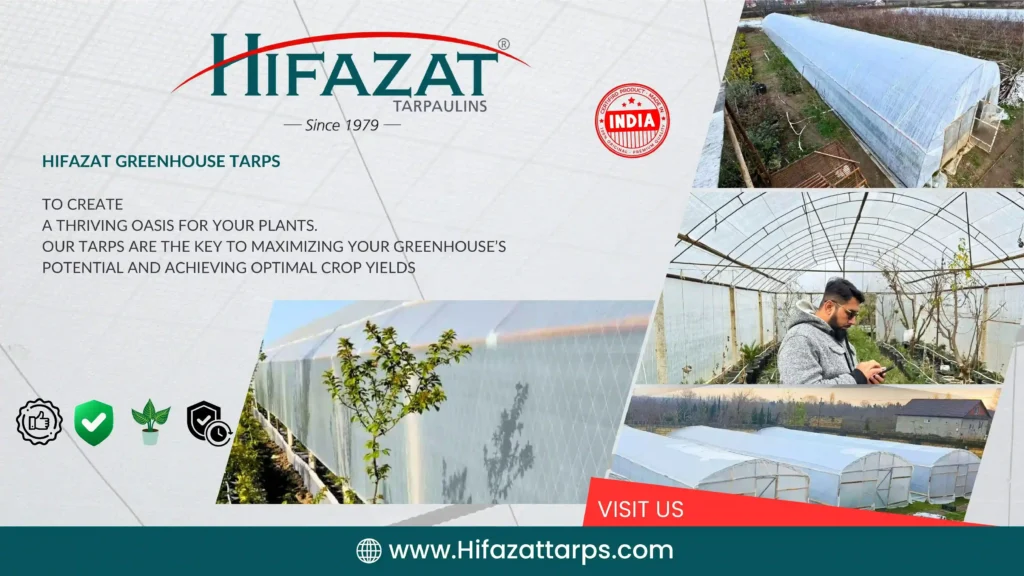
How to Build a Greenhouse Using Tarpaulin: Complete Guide for Plant Protection & Growth
In hot climates and changing weather conditions, building a greenhouse using tarpaulin is one of the most cost‑effective ways to protect your plants and improve yields. Whether you’re a small gardener, a commercial grower, or a farm owner, this guide will show you how tarpaulin can turn a simple structure into a reliable growing environment.
Tarpaulin greenhouses are growing in popularity around the world — from backyard gardens to commercial crop farms — thanks to their durability, UV resistance, and adaptability.
Let’s dive into everything you need to know — from materials to benefits, installation steps, and smart tarpaulin selection for greenhouse use.
What Is a Tarpaulin Greenhouse?
A tarpaulin greenhouse is a plant shelter where strong, waterproof tarpaulin sheets are used as a covering material over a supporting frame. Unlike traditional glass or polycarbonate greenhouses, tarpaulin greenhouses use lightweight tarps that provide robust weather protection and light control.
These greenhouse tarps help create a controlled micro‑environment that shields crops from extreme temperatures, intense sunlight, rain, pests, and dust — all while maintaining ideal growing conditions for healthier plants.
Why Use Tarpaulin for Greenhouse Construction?
Choosing tarpaulin for greenhouse covers has become a popular option worldwide because it offers unique advantages:
1. Cost‑Effective Protection
Tarpaulin materials are significantly more affordable than traditional greenhouse panels.
2. UV‑Resistant & Durable
Modern agricultural tarpaulins are specially coated with UV stabilizers to withstand prolonged sun exposure and prevent premature aging or brittleness.
3. Controlled Light Transmission
Certain tarpaulin greenhouse covers balance light diffusion and intensity, creating optimal sunlight conditions without burning leaves.
4. Strong Weather Protection
Tarpaulin greenhouses protect against rain, strong winds, and dust storms — essential for outdoor farming and gardening.
5. Quick Setup & Portability
Tarpaulin greenhouses are easier to install and more portable than heavier materials, making them suitable for seasonal or mobile farming setups.
Materials You’ll Need
Before building your tarpaulin greenhouse, here’s a checklist of essential materials:
- Heavy‑duty tarpaulin sheets — UV‑treated and waterproof
- PVC or metal frame — arched or rectangular structure
- Fasteners — clips, straps, ropes, or bungee cords
- Ground anchors — to secure the structure
- Ventilation openings or windows — for airflow control
- Optional shade netting — for added sun protection
Using high-quality tarpaulin materials ensures your greenhouse lasts longer and improves plant survival and growth.
Step‑by‑Step Tarpaulin Greenhouse Build
Follow these simple steps to create your greenhouse:
1. Choose the Best Location
Pick a flat, open area with maximum sunlight but some wind protection.
2. Construct the Frame
Assemble a sturdy frame using PVC pipes or metal rods. The arches or beams will support the tarpaulin cover.
3. Cover with Tarpaulin
Drape securely over the frame and fix with suitable fasteners. Ensure the tarp is tight to avoid flapping in wind.
4. Ensure Proper Ventilation
Add openings, vents, or roll‑up side panels so air can circulate — vital for controlling temperature inside the greenhouse.
5. Set Up Irrigation
Install a drip or mist irrigation system to keep moisture consistent and reduce water loss.
Benefits of Tarpaulin Greenhouses
Using tarpaulin for greenhouse protection gives you powerful practical advantages:
Enhanced Plant Protection
The tarpaulin cover shields crops from excessive sunlight, rain, dust, and pests, which reduces plant stress and damage.
Better Temperature & Humidity Control
Quality tarps help moderate temperature fluctuations, creating a more stable microclimate, which is ideal for seedlings, vegetables, and flowering plants.
Water Conservation
Tarpaulin greenhouses reduce evaporation, allowing soil to hold moisture longer — crucial in dry climates and desert regions.
Adaptable for Global Farming
Whether you’re in humid, cold, or arid environments, tarpaulin greenhouses can be customized based on material thickness and design.
Things to Be Careful Of
While tarpaulin greenhouses are excellent for many purposes, keep these in mind:
- Ventilation Must Be Managed
Insufficient airflow can cause overheating, especially in hot climates. - Tarpaulin Lifespan Varies
UV-stabilised tarp covers last longer, but lower-quality options may degrade faster. - Secure Fastening is Crucial
Loose tarps may flap or tear in strong winds.
Smart Tips for Choosing the Right Tarpaulin
Here’s how to pick the best tarpaulin for your greenhouse:
Choose UV-resistant tarpaulin for a greenhouse for outdoor use.
✔ Pick the right weight (GSM) — heavier for durability, lighter for flexibility.
✔ Go for transparent or semi‑transparent tarps when light transmission is key.
✔ Consider custom sizes to fit your frame precisely.
FAQs
Can tarpaulin be used for greenhouse construction?
Yes — tarpaulin, especially UV‑treated sheets, is widely used as a durable greenhouse cover around the world. They provide waterproofing, UV protection, and workable light levels for plant growth.
What type of tarpaulin is best for greenhouse coverings?
Tarps with UV resistance and light‑diffusing properties are often preferred for greenhouse roofs and walls, while tarps are more cost‑effective and versatile.
How long do greenhouse tarpaulins last?
High‑quality, UV-stabilised tarpaulins can last several years outdoors, depending on maintenance and climate exposure.
Do tarpaulin greenhouses help with plant growth?
Yes — they help protect plants from stressors like direct sun, rain, and wind, while stabilizing temperature and humidity, which encouraging healthier growth.
Can I use tarpaulin greenhouses year‑round?
With proper ventilation and choice of materials, tarpaulin greenhouses can be used in most seasons, though they may need adaptations for extreme cold or heat.
Conclusion
Tarpaulin greenhouses are a flexible, affordable, and efficient solution for crop protection and controlled plant growth. By using high‑quality, UV‑resistant tarpaulin sheets and following best practices for installation and ventilation, you can build an effective greenhouse that boosts plant health and yields. Whether you’re in a desert climate like the UAE or a temperate farming region, tarpaulin greenhouse solutions offer practical protection and sustainable growth for your plants.